
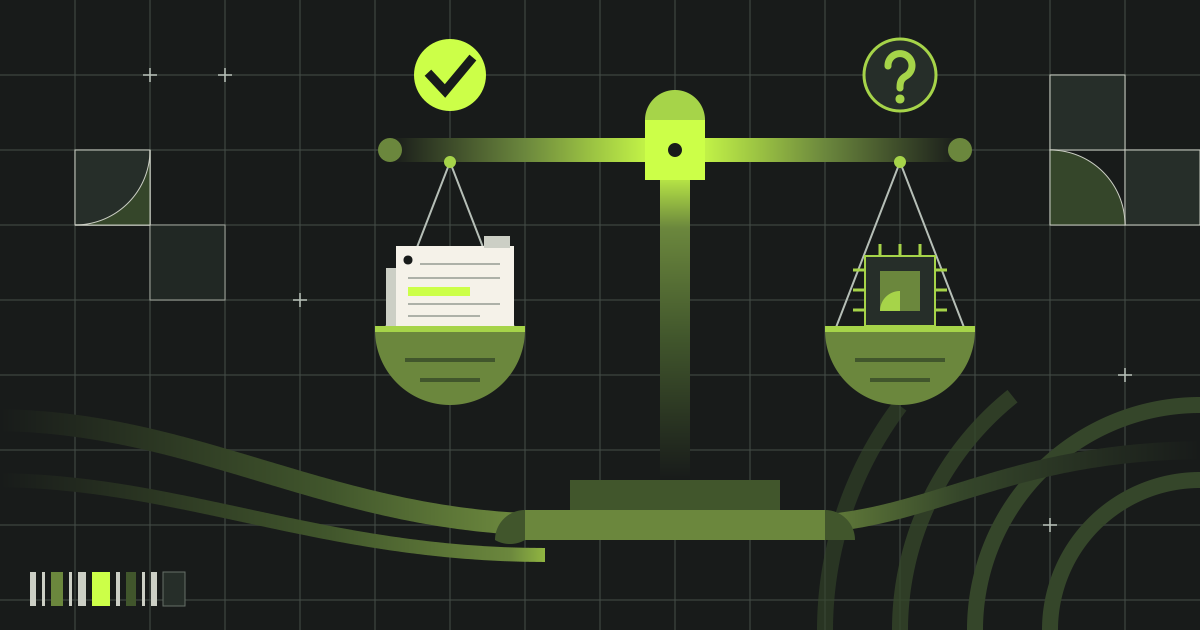
AI in peer review: relief that requires oversight
AI promises faster routine checks, additional error detection and constructive peer-review feedback. These benefits face inaccurate judgments, bias, manipulation and verification costs – time savings are not guaranteed.
Writing in Science, Jeffrey Brainard compares AI-assisted review’s opportunities and limits. Several interviewees regard wider future use as realistic: Arjun Manrai expects a growing role at NEJM AI; AAAI plans further trials. Processes combining AI and human assessment are already operating. [1]
Benefits: AI can check calculations and numerical consistency, execute code and uncover overlooked problems.
Drawbacks: Mistaken criticism, misunderstood disciplinary knowledge, unnecessary demands, prestige bias and manipulation remain risks. Novelty and significance are difficult to assess; verification can erase time savings. [1]
Our interpretation: the key questions are which task an AI reliably performs and how responsibility is organised.
Sources
This indication by Martin Ebner is licensed under
CC BY 4.0

Comments 0
Comments are moderated. New comments appear after review by the editors.
No comments yet.